Source reusable container air dunnage bags for Truck, Container, Train
Compare 30 listings for reusable container air dunnage bags designed for fragile products and cargo safety. Buyers can evaluate specifications like burst pressure, material layers, and valve types from verified Chinese manufacturers; compare the available evidence and request quotations based on your requirements.
Key considerations
Products List




Comprehensive Sourcing Guide
Reusable Container Air Dunnage Bags Sourcing Guide
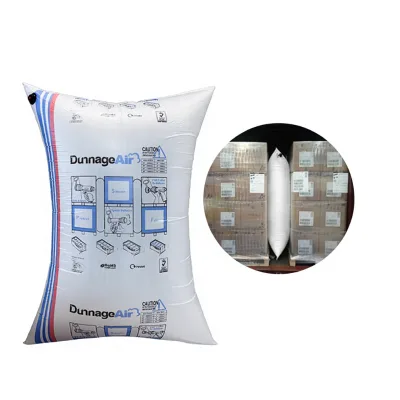
Procuring reusable container air dunnage bags requires a strategic approach to balancing cargo protection with logistical efficiency. These inflatable packaging solutions serve as critical void fillers in truck, container, and train transport, preventing fragile products from shifting during transit. Buyers must recognize that while the primary function is safety protection, the operational benefits extend to reduced material waste and faster loading times compared to traditional dunnage like wood or foam. Understanding the specific mechanical properties of the bags is essential for selecting the right product for high-value or sensitive shipments.
The market offers a variety of configurations, including multi-layer constructions and customizable dimensions to fit specific container gaps. Sourcing decisions should be driven by the need for waterproof materials and fast-filling valves that streamline the packing process. Buyers should evaluate whether neutral printing or OEM branding is required for their supply chain visibility. Additionally, considering the reusability aspect can significantly lower long-term packaging costs, making it vital to assess the durability of the outer bag material and the integrity of the air valve system over multiple inflation cycles.
Product Scope and Observed Listing Signals
The observed product listings indicate a diverse range of specifications tailored to different cargo needs. Materials commonly cited include PE, Kraft Paper Composite, and PP Woven fabrics, often combined with PA layers for enhanced strength. Dimensions vary significantly, with models such as 1016, 1024s, and specific sizes like 90120cm, 120240cm, and 800*1800mm available. This variety allows buyers to match bag sizes precisely to the voids in their shipments, ensuring optimal space utilization and load stability without excessive material usage.
Listing signals also highlight key operational attributes such as waterproof capabilities and fast-filling air valves with diameters of 10mm or 30mm. The outer bags are frequently described as 150GSM PP Kraft Paper, providing a robust barrier against moisture and punctures. Buyers should note that customization is widely available, allowing for tailored solutions in terms of size and printing. The presence of free samples and flexible MOQs starting from 1 PCS suggests a market responsive to trial orders and specific client requirements, facilitating easier vendor evaluation.
Technical Specifications to Verify
Verifying the burst pressure and filing pressure limits is crucial for ensuring the bags can withstand transit stresses. Observed data points to a max filing pressure of 2.9psi/0.2bar/20kpa and a burst pressure of 0.6 Bar, which defines the safe operational envelope for inflation. Buyers must confirm that the selected bags can fill gaps ranging from 10-45cm effectively. Understanding these pressure thresholds helps prevent over-inflation, which could damage the bags or the cargo, while under-inflation may fail to secure the load adequately.
Material composition and layer structure are equally important technical factors to validate. Multi-layer constructions, such as PE + PA or Kraft Paper + Inner PA+PE bags, offer different balances of flexibility and puncture resistance. Buyers should verify the valve diameter compatibility with their inflation equipment, as options like 10mm or 30mm valves impact filling speed and ease of use. Additionally, checking the packing specifications, such as 500 PCS/CTN or palletized arrangements, ensures that storage and handling logistics align with the buyer’s warehouse capabilities and distribution requirements.
Compliance and Safety Documentation
Safety and regulatory compliance are paramount when sourcing packaging materials that interact with goods in transit. Listings mention certifications such as SGS, AAR, and MSDS, which provide assurance regarding material safety and handling procedures. Buyers should request these documents to verify that the bags meet international standards for transport safety and environmental regulations. The presence of En-71 and Non-Phthalate standards indicates a focus on non-toxic materials, which is particularly important for packaging consumer goods or food-related products.
Documentation should also cover the origin and manufacturing standards of the bags. Products originating from Jiangxi, China, may have specific quality control protocols that buyers need to understand. Verifying that the materials are free from harmful substances ensures compliance with destination market regulations. Buyers should insist on clear MSDS sheets to guide safe handling and disposal, ensuring that the reusable nature of the bags does not create environmental liabilities at the end of their lifecycle.
Cost Drivers and Commercial Terms
Cost structures for air dunnage bags are influenced by material quality, customization levels, and order volume. While observed price ranges are low, buyers should consider the total cost of ownership, including the frequency of replacement and handling efficiency. Customized sizes and OEM printing may incur additional setup fees, whereas standard neutral printing offers cost savings. The availability of free samples allows buyers to test quality before committing to larger orders, reducing the risk of costly mismatches in performance.
Commercial terms such as payment methods (TT or negotiation) and delivery times (1-10 Days) impact cash flow and supply chain responsiveness. Flexible MOQs starting from 1 PCS enable buyers to manage inventory more efficiently, reducing storage costs. However, larger orders may offer better unit pricing. Buyers should negotiate terms that align with their production schedules, ensuring that lead times do not disrupt shipping operations. Understanding these financial dynamics helps in building a sustainable and cost-effective packaging strategy.
Supplier Qualification and Quality Control
Evaluating supplier qualifications is essential to ensure consistent product quality and reliable service. Buyers should verify the supplier’s ability to provide customized solutions and maintain strict quality control measures. The presence of certifications like SGS and AAR suggests a commitment to industry standards, but buyers should conduct their own audits or request third-party inspections for critical shipments. Assessing the supplier’s production capacity and lead time reliability is crucial for maintaining a steady supply of packaging materials.
Quality control processes should include rigorous testing of burst pressure and valve integrity. Buyers should establish clear acceptance criteria based on observed specifications, such as material thickness and layer composition. Implementing a sample approval process before mass production helps catch potential defects early. Regular communication with the supplier regarding any changes in materials or processes ensures that quality remains consistent. Building a strong relationship with qualified suppliers fosters trust and reduces the risk of supply chain disruptions.
Long-Term Procurement Checks
Long-term procurement success depends on continuous monitoring of product performance and supplier reliability. Buyers should track the durability of reusable bags over multiple cycles to assess their true lifespan and cost-effectiveness. Feedback from logistics teams on ease of use and filling speed can drive improvements in product selection. Regularly reviewing compliance documentation ensures that the supplier remains up-to-date with changing regulations, protecting the buyer from potential legal or reputational risks.
Strategic sourcing decisions should also consider the environmental impact of the packaging materials. Evaluating the recyclability or reusability of the bags aligns with sustainability goals and can enhance brand reputation. Buyers should periodically reassess their packaging needs as product lines or shipping methods evolve. Maintaining a diversified supplier base reduces dependency on a single source and provides flexibility in negotiations. By focusing on these long-term checks, buyers can optimize their packaging strategy for efficiency, safety, and sustainability.
FAQs
What materials are used for reusable container air dunnage bags?
These bags typically use PE or PE+PA materials for the inner layers to ensure durability and air retention. The outer bag is often made from Kraft Paper Composite or PP Woven material to provide strength. Some variants feature multi-layer constructions combining these materials for enhanced protection during transit.
Can these air dunnage bags be customized for specific sizes?
Yes, customization is available for various dimensions. Common models include 1016, 1024s, and specific sizes like 90*120cm, 120*240cm, 800*1800mm, 500*1200mm, and 800*1600mm. The width can be customized between 50-120cm, allowing buyers to select the exact fit for their cargo gaps and container requirements.
What certifications do these cargo air bags hold?
Products often hold SGS, AAR, and MSDS certifications to ensure safety and compliance. Some items also meet En-71 and Non-Phthalate standards, particularly for sensitive applications. These certifications verify the material quality and safety for use in transporting fragile products and general cargo protection in trucks and containers.
How fast can these air bags be filled and used?
The bags feature fast-filling air valves with diameters of 10mm or 30mm for quick inflation. They are designed to fill gaps ranging from 10-45cm effectively. The burst pressure is rated at 0.6 Bar, and the max filing pressure is 2.9psi, ensuring secure and rapid setup during loading.
What is the typical delivery time for these packaging bags?
The standard delivery time ranges from 1 to 10 days, depending on order volume and customization needs. Samples can be arranged or provided for free to verify quality before bulk production. This quick turnaround supports efficient supply chain management for buyers needing timely cargo protection solutions.
Are these air dunnage bags waterproof and durable?
Yes, the bags are designed to be waterproof, protecting cargo from moisture during transit. The outer bags often use 150GSM PP Kraft Paper or Kraft Paper Composite for robustness. The inner PA+PE layers provide additional strength, making them suitable for fragile products and heavy-duty truck or train transport.